

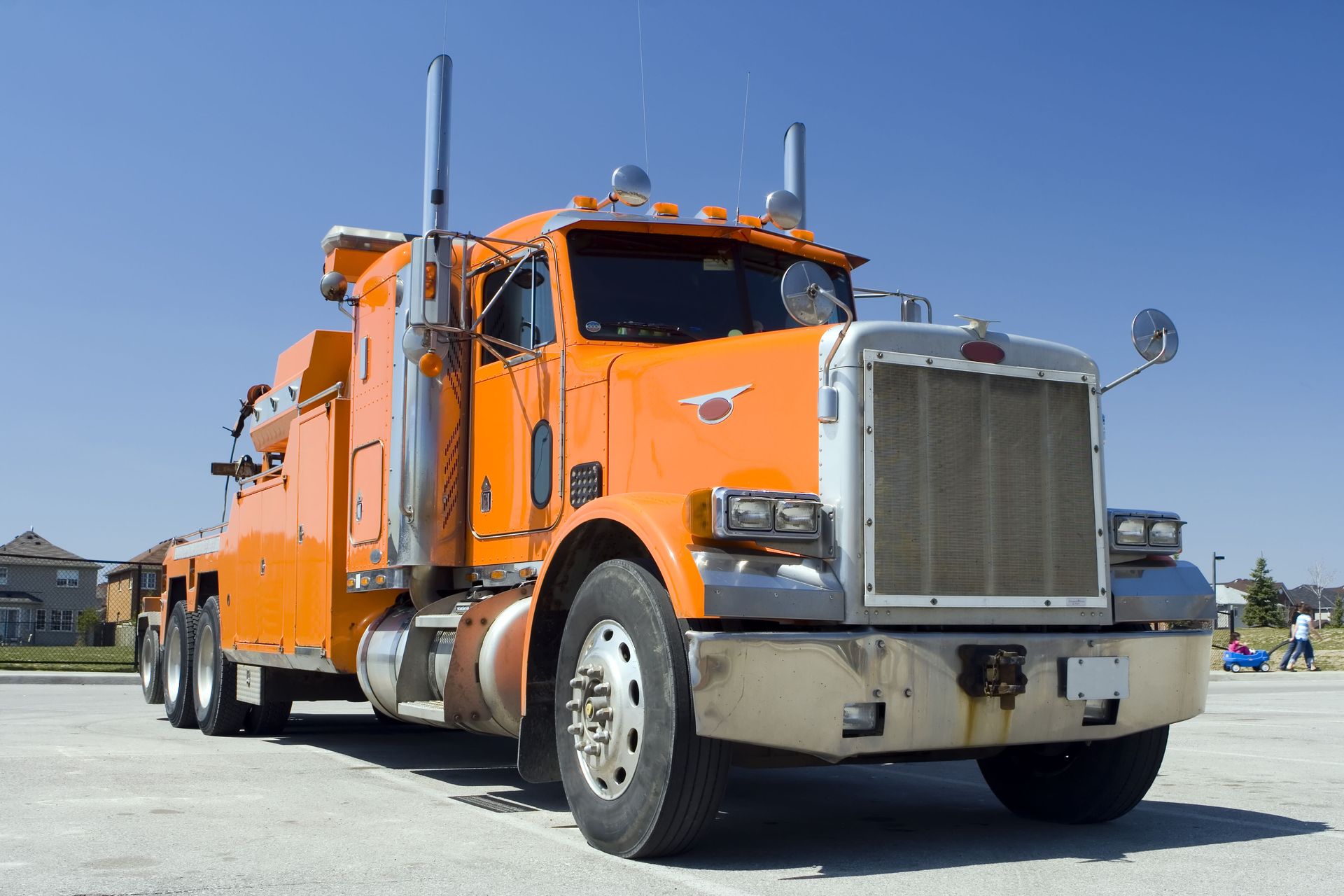
Heavy duty towing is essential for safely handling large vehicles such as semi trucks, buses, RVs, box trucks, construction equipment, and commercial fleets. Unlike regular towing, heavy duty towing requires specialized equipment and trained operators who understand the unique challenges of moving oversized or heavily loaded vehicles. There are many situations where professional heavy duty towing becomes necessary, and understanding these can help drivers and fleet owners stay prepared.
Below are the most common reasons you may need heavy duty towing, explained with clear steps for what typically happens in each situation.
- Breakdowns and Mechanical Failures
Large vehicles put a lot of stress on their engines, transmissions, and braking systems. When a major component fails, a heavy duty tow truck is often the only safe solution.
Steps Taken During a Breakdown Tow:
- Assessment – The tow operator evaluates the vehicle and its condition.
- Stabilization – The truck is secured to prevent rolling or shifting.
- Hook-Up – A wheel-lift, flatbed, or heavy-duty boom is used depending on the vehicle type.
- Transport – The vehicle is safely towed to a repair shop or fleet facility. When your fleet faces unexpected breakdowns, their heavy duty towing solutions ensure minimal downtime.
- Accidents and Collisions
Accidents involving large trucks and commercial vehicles can cause severe damage, making it difficult or unsafe to drive. Heavy duty towing is required to remove damaged vehicles from the roadway.
Steps During Accident Recovery:
- Scene Safety – Operators secure the accident area to prevent additional hazards.
- Vehicle Recovery – Tools like rotators and winches are used to lift or reposition the truck.
- Debris Removal – Damaged parts or cargo are cleared as needed.
- Tow and Transport – The vehicle is moved to a safe location for inspection or repairs.
- Rollovers and Jackknifing
Semi trucks and trailers can roll over or jackknife due to weather, sharp turns, sudden braking, or shifting cargo. These situations require specialized recovery equipment.
Steps to Handle Rollovers:
- Inspection – Operators assess the vehicle’s position and weight distribution.
- Stabilization – The truck and trailer are secured using straps, cables, or rotators.
- Uprighting – Heavy-duty rotators lift and reposition the vehicle.
- Towing – Once upright, the truck is transported for repairs.
- Stuck or Off-Road Vehicles
Heavy vehicles can become stuck in mud, snow, sand, or off-road areas, especially construction or agricultural equipment.
Steps for Off-Road Recovery:
- Site Evaluation – The operator examines the terrain and access points.
- Winching Setup – High-powered winches and cables are positioned.
- Extraction – The vehicle is slowly pulled out to prevent further damage.
- Transport (if needed) – If the vehicle is damaged, it may also require towing.
- Overheating and Engine Trouble
Long-haul trucks and buses often operate for many hours at a time. Heat can cause breakdowns or engine seizure, requiring towing assistance.
Steps in Overheating Tows:
- Cooling Period – The truck is left to cool before inspection.
- Safety Check – The operator ensures there is no fire risk.
- Towing Preparation – The vehicle is hooked up for safe transport.
- Mechanical Transport – The truck is moved to a mechanic for diagnosis.
- Tire Blowouts
Heavy trucks carry extreme weight, making tire blowouts dangerous and disabling. If multiple tires fail or the truck cannot be safely driven, heavy duty towing is required.
Steps After a Tire Blowout:
- Secure the Vehicle – Prevent movement during blowout aftermath.
- Inspection – Check for damage to rims, axles, or suspension.
- Hook-Up – Choose the appropriate towing method.
- Repair Transport – Vehicle is towed to a tire or service center.
- Cargo Shifting or Load Imbalance
When cargo shifts inside a trailer, it can cause instability, difficulty steering, or potential rollover. Towing may be necessary to correct the situation.
Steps in Load Imbalance Towing:
- Safety Check – Ensure the truck does not tip further.
- Recovery – Use stabilizers or lift equipment if needed.
- Relocation – Tow to a dock or warehouse for reloading.
- Inspection – Check suspension and axles before returning to service.
Heavy duty towing is crucial for handling large, heavy, and complex vehicles in a variety of situations—from breakdowns to accidents and rollovers. Each scenario requires the right equipment, expertise, and safety procedures to ensure the vehicle is removed and transported safely. Understanding the common reasons for heavy duty towing helps drivers and fleet managers stay prepared and make informed decisions during emergencies.
